Tuesday, March 12, 2013

Gastritis


What is Gastritis:
  • Gastritis occurs when the lining of the stomach becomes inflamed or swollen.
  • Gastritis can last for only a short time  know as acute gastritis, or linger for months to years  called chronic gastritis.
Symptoms:  
  • A gnawing or burning ache or pain (indigestion) in your upper abdomen that may become either worse or better with eating
  • Nausea
  • Vomiting
  • A feeling of fullness in your upper abdomen after eating

Causes:
  • Bacterial infection. People infected with Helicobacter pylori can experience gastritis  
  • Regular use of pain relievers. Common pain relievers, such as aspirin, ibuprofen (Advil, Motrin, others) and naproxen (Aleve, Anaprox), can cause both acute gastritis and chronic gastritis.
  • Age- Older adults have an increased risk of gastritis because the stomach lining tends to thin with age and because older adults are more likely to have H. pylori infection or autoimmune disorders
  • Excessive alcohol use. Alcohol can irritate and erode your stomach lining
  • Stress. Severe stress due to major surgery, injury, burns or severe infections can cause acute gastritis.
  • Bile reflux disease
  • autoimmune gastritis, this type of gastritis occurs when your body attacks the cells that make up your stomach lining. 
Treatment:

  • Antibiotics
  • Stress reduction
  • Avoid irritating foods.
  • Eat smaller, more frequent meals
  • Drink alcohol in moderation, if at all.  
  • Avoid-aspirin, ibuprofen (Advil, Motrin, others) and naproxen (Aleve, Anaprox)
  • Proper hand washing during food preparation. 

reference:
http://www.mayoclinic.com/health/gastritis

Wednesday, March 6, 2013

Better Sleep Tonight!


 7 Better Sleep Tips:

 1: Keep a regular sleep schedule- attempt to go to bed roughly at the same time each day if possible. Help your body adjust by making a small change in daily increments, such as 30-60 minutes earlier or later each day.

 2: Create a Bedtime Ritual and Comfortable Environment - Keep your room cool and dark. Ensure you have a comfortable mattress ( a memory-foam topper is a quick, cheap fix).

 3: Pay attention to what you eat and drink-  Eliminate nicotine and caffeine (none 9hours before sleep)  can take hours to wear off which decrease your  quality of sleep. Alcohol may initially make you feel sleepy, but it can disrupt sleep later in the night. 

4: Naturally regulate your sleep-wake cycle-Melatonin is a naturally occurring hormone controlled by light exposure that helps regulate your sleep-wake cycle. Melatonin production is controlled by light exposure. So increase light exposure during the day.  Decreasing light exposure at night can help boost melatonin production at night

5: Include physical activity in your daily routine-  Regular physical activity can promote better sleep, decrease anxiety and stress,  helping you to fall asleep faster and to enjoy deeper sleep. Don't exercise too close to bedtime,  as this may energize you and decrease you from falling asleep. 

6: Get anxiety and stress in check-Residual stress, worry, and anger from your day can make it very difficult to sleep well. Make a note of what seems to be the recurring theme and wakes you up at night. That will help you figure out what you need to do to get your stress and anger under control during the day.

7: Relaxation techniques for better sleep-

  • Deep breathing. Close your eyes, and try taking deep, slow breaths, making each breath even deeper than the last. 
  • Progressive muscle relaxation. Starting with your toes, tense all the muscles as tightly as you can, then completely relax. Work your way up from your feet to the top of your head.
  • Visualizing a peaceful, restful place. Close your eyes and imagine a place or activity that is calming and peaceful for you. Concentrate on how relaxed this place or activity makes you feel.
  • Lavender Aromatherapy-  lavender scent has been shown to act as a mild sedative.
  • Valerian root- studies have shown that it acts as a sedative and naturally reduces anxiety and calming the body.  400mg-900mg 30 min before bed. Do not take more than 28 days.
  • White Noise Machines- Block out unwanted noise. 


Monday, February 25, 2013

Tips to cut back on sodium

How to cut back on sodium in your diet:

Studies have shown that cutting back your sodium intake can lower your blood pressure and increase your hearts health. 
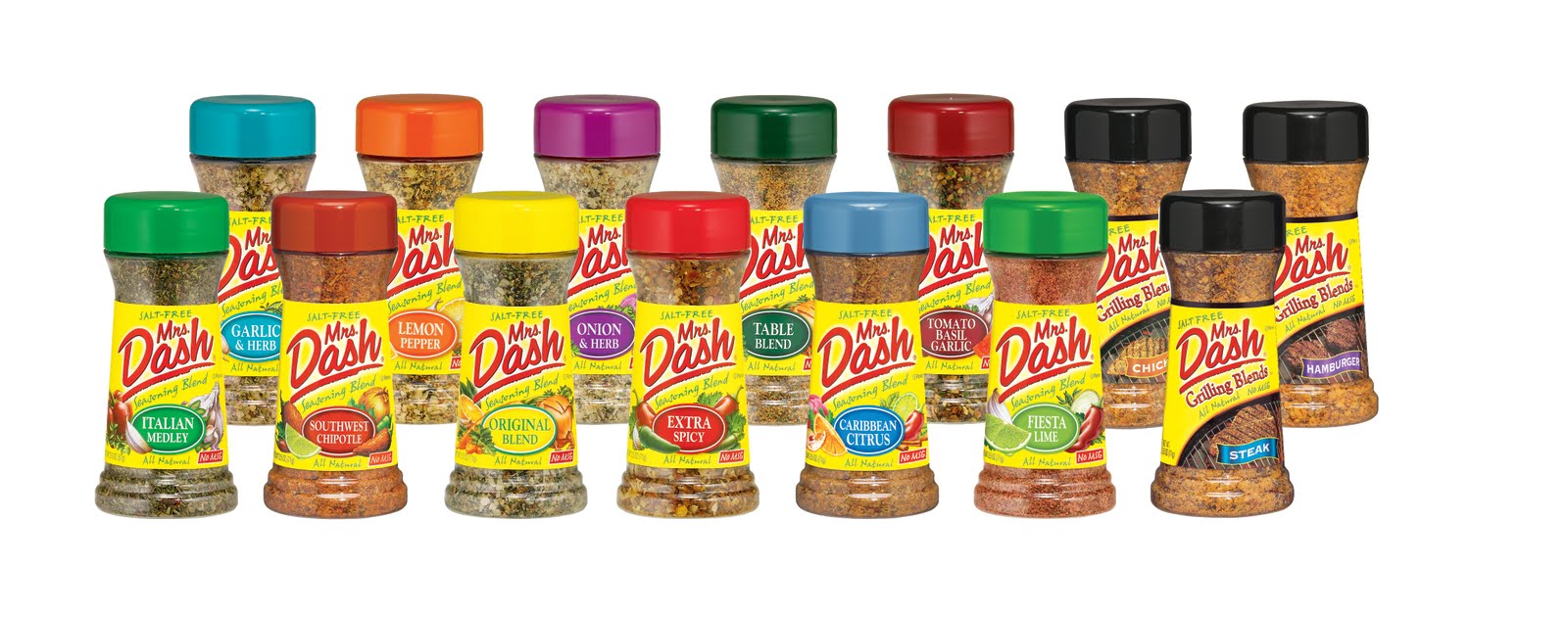
  • Using sodium-free spices or flavorings with your food instead of salt (MRS. DASH)
  • Not adding salt when cooking rice, pasta or hot cereal
  • Rinsing canned foods to remove some of the sodium
  • Buying foods labeled "no salt added," "sodium-free," "low sodium" or "very low sodium"

Sunday, February 24, 2013

Brain Healthy Spices


Go Heavy on the SPICES

  • Saffron:  Improves Memory & Mood-  studies have shown that saffron extract to be as effective as antidepressant medication in treating people with major depression.
  •  Sage: Memory Booster 
  • Cinnamon:  Improves Memory and ability to pay attention; aids in  regulating blood sugar. Shown to be a natural "aphrodisiac for men".
  • Basil:  potent antioxidant; improves blood flow to the  brain and has anti-inflammatory properties that offer protection from Alzheimer’s disease.
  • Turmeric: anti-inflammatory  
  • Thyme:  Increases  DHA  (an essential fatty acid)in the brain.
  • Oregano: Potent  brain antioxidant, may help with insomnia and PMS
  • Garlic: Improves blood flow to the brain and increases immunity.
  • Ginger: potent anti-aging and anti-inflammatory agent 
  • Rosemary:  Antioxidant & has anti-inflammatory properties. A 2006 study reported that rosemary diminishes cognitive decline in people with dementia.
  • Curry: Potent antioxidant & has anti-inflammatory properties

Benefits of Turmeric on the Brain and Alzheimer's

Cookbook: 

Wednesday, February 20, 2013

Dietary Approaches to Stop Hypertension (DASH)

DASH to  lower your Blood Pressure!


DASH stands for Dietary Approaches to Stop Hypertension. The DASH diet is a lifelong approach to healthy eating that's designed to help treat or prevent high blood pressure (hypertension). The DASH diet encourages you to reduce the sodium in your diet and eat a variety of foods rich in nutrients that help lower blood pressure, such as potassium, calcium and magnesium.

Goal of DASH Diet: 

    • Keep sodium low to moderate (2400-3000mg/day)  
    • Increase intake of calcium, magnesium, potassium and fiber ( beans and nuts are a great source of magnesium) 
    • Keep fat, especially saturated fat, low (7-8% of total calorie intake
Diet Plan: (2,000-calorie-a-day DASH diet)
  • Grains (6 to 8 servings a day)
Grains include bread, cereal, rice and pasta. Examples of one serving of grains include 1 slice whole-wheat bread, 1 ounce (oz.) dry cereal, or 1/2 cup cooked cereal, rice or pasta.

  • Vegetables (4 to 5 servings a day)
Tomatoes, carrots, broccoli, sweet potatoes, greens and other vegetables are full of fiber, vitamins, and such minerals as potassium and magnesium. Examples of one serving include 1 cup raw leafy green vegetables or 1/2 cup cut-up raw or cooked vegetables. 

  • Fruits (4 to 5 servings a day)
Many fruits need little preparation to become a healthy part of a meal or snack. Like vegetables, they're packed with fiber, potassium and magnesium and are typically low in fat — exceptions include avocados and coconuts. Examples of one serving include 1 medium fruit or 1/2 cup fresh, frozen or canned fruit.

  • Dairy (2 to 3 servings a day)
Milk, yogurt, cheese and other dairy products are major sources of calcium, vitamin D and protein. But the key is to make sure that you choose dairy products that are low-fat or fat-free because otherwise they can be a major source of fat. Examples of one serving include 1 cup skim or 1% milk, 1 cup yogurt or 1 1/2 oz. cheese. 

  •  Lean meat, poultry and fish (6 or fewer servings a day)
Meat can be a rich source of protein, B vitamins, iron and zinc. But because even lean varieties contain fat and cholesterol, don't make them a mainstay of your diet — cut back typical meat portions by one-third or one-half and pile on the vegetables instead. Examples of one serving include 1 oz. cooked skinless poultry, seafood or lean meat, 1 egg, or 1 oz. water-packed, no-salt-added canned tuna.

  • Nuts, seeds and legumes (4 to 5 servings a week)
Almonds, sunflower seeds, kidney beans, peas, lentils and other foods in this family are good sources of magnesium, potassium and protein. They're also full of fiber and phytochemicals, which are plant compounds that may protect against some cancers and cardiovascular disease. Serving sizes are small and are intended to be consumed weekly because these foods are high in calories. Examples of one serving include 1/3 cup (1 1/2 oz.) nuts, 2 tablespoons seeds or 1/2 cup cooked beans or peas. 

  • Fats and oils (2 to 3 servings a day)
Fat helps your body absorb essential vitamins and helps your body's immune system. But too much fat increases your risk of heart disease, diabetes and obesity. The DASH diet strives for a healthy balance by providing 30 percent or less of daily calories from fat, with a focus on the healthier unsaturated fats. Examples of one serving include 1 teaspoon soft margarine, 1 tablespoon low-fat mayonnaise or 2 tablespoons light salad dressing.

  • Sweets (5 or fewer a week)
You don't have to banish sweets entirely while following the DASH diet — just go easy on them. Examples of one serving include 1 tablespoon sugar, jelly or jam, 1/2 cup sorbet or 1 cup (8 oz.) lemonade.

Drinking too much alcohol can increase blood pressure. The DASH diet recommends that men limit alcohol to two or fewer drinks a day and women one or less.

For more info visit: http://www.mayoclinic.com/health/dash-diet/HI00047/NSECTIONGROUP=2: 

Saturday, February 16, 2013

Monosodium glutamate (MSG)

What is  Monosodium glutamate (MSG) and is it harmful for your health? 

MSG has been used as a food additive for decades especially in Chinese dishes, however in the last decade has made its way into anything from chips to hotdogs.  Over the years, the FDA has received many anecdotal reports of adverse reactions to foods containing MSG. Some studies have shown that MSG triples the amount of insulin the pancreas creates, thus cause you to gain weight, however this is somewhat controversial. 

Since the 1970s, MSG has sidled back onto American supermarket shelves, under assumed names: hydrolyzed proteins, yeast extracts, protein concentrates and other additives that are not labeled as MSG but, according to nutritionists and the United States Department of Agriculture, are essentially the same thing: synthetically produced glutamates.

According to the Food and Drug Administration, the World Health Organization, and the Food and Agriculture Organization of the United Nations, MSG is generally safe food ingredient, however this has not been scientifically proven. The controversy about MSG, however, arises from a number of anecdotal complaints since the 1960s about adverse reactions when consuming foods with MSG. The “MSG Symptom Complex” or the “Chinese Restaurant Syndrome” Many consumers have reported the below syptoms after consuming MSG:

MSG symptom complex reactions:
  • Headache
  • Flushing
  • Sweating
  • Facial pressure or tightness
  • Numbness, tingling or burning in the face, neck and other areas
  • Rapid, fluttering heartbeats (heart palpitations)
  • Chest pain
  • Nausea
  • Weakness
  • http://www.mayoclinic.com/health/monosodium-glutamate/AN01251
  •  
  • It is very important to always read label and see if MSG is present 

Wednesday, February 13, 2013

Local Crop Sharing Option

Crop Sharing is a great way to get local organic grown fresh fruits and veggies.

Spiral Path Farm is a certified organic farm located in Perry County.; which provieds local service to centeral, pa


Spiral Path Farm Website:

http://www.spiralpathfarm.com/index.php?pID=17

Tuesday Pick-Up Sites:
Boiling Springs- Lerew Road
Carlisle # 1 - North Hanover Street
Carlisle # 2 - Walnut Street
Dillsburg - Cumberland Valley Church @ RT 74
Grantham - RT 15 & Lisburn Road
Highland Gardens-@ Highland Gardens
Mechanicsburg # 1- The Rosemary House, South Market
Shiremanstown-West Main Street

Wednesday Pick-Up Sites:
Colonial Park-Skocik Chiropractic - Jonestown Road
Duncannon- Duncannon Church of God - 2 Muhlenberg Street
Enola-Cupboard Maker Books@ 11&15
Harrisburg # 1 - North 2nd Street - The Movement Center
Hershey # 1 - Hill Church Road - St. Paul's Lutheran Church
Hershey # 2 - West Areba Avenue
Hershey # 3 - East Derry Road
Hummelstown -Orchard Road -Off Rt.39
Linglestown # 1 - Linglestown Life United Methodist Church
Linglestown # 2 - St. Andrews in the Valley Episcopal Church
Lower Swatara - off Spring Garden Drive
Newport - 4th St. @ Landis House - Perry County Council of the Arts
Palmyra - W. Main Street - The Cinderella Shoppe
Progress # 1 - Schoolhouse Lane & Rustic
Progress # 2 - Schoolhouse Lane West of Progress
Spiral Path Farm - Loysville
Union Deposit - Briarsdale & Union Deposit -The Family Wellness Center

Thursday Pick-Up Sites:
Camp Hill @Holy Spirit
Camp Hill Boro # 1 - 1908 High Street
Camp Hill Boro #2 - Logan Street
Momentum Fitness-Carlisle Pike and Rt. 581
Chambersburg @ Gold's Gym on West Catherine Street
Highmark Blue Shield --Camp Hill Cafeteria (Highmark employees ONLY)
Lemoyne - State Street
Mechanicsburg # 2-Capital Area Christian Church-Lambs Gap Road
New Cumberland-3rd Street
Orrs Bridge Road # 1 - Candle Light Drive
Orrs Bridge Road # 2 - Franklin Avenue
Shermans Dale- RT 34 - Kruba Chiropractic
Shippensburg - W. King Street

Saturday Pick-Up Sites:
Silver Spring MD Farmers Market
Hanover/New Oxford- Cottage Dr.